Beyond the Cash: 9 Funding Methods Every Startup Entrepreneur Must Know
A Founder’s Guide to Startup Funding

Every startup needs money to survive, but not every startup should raise money the same way.
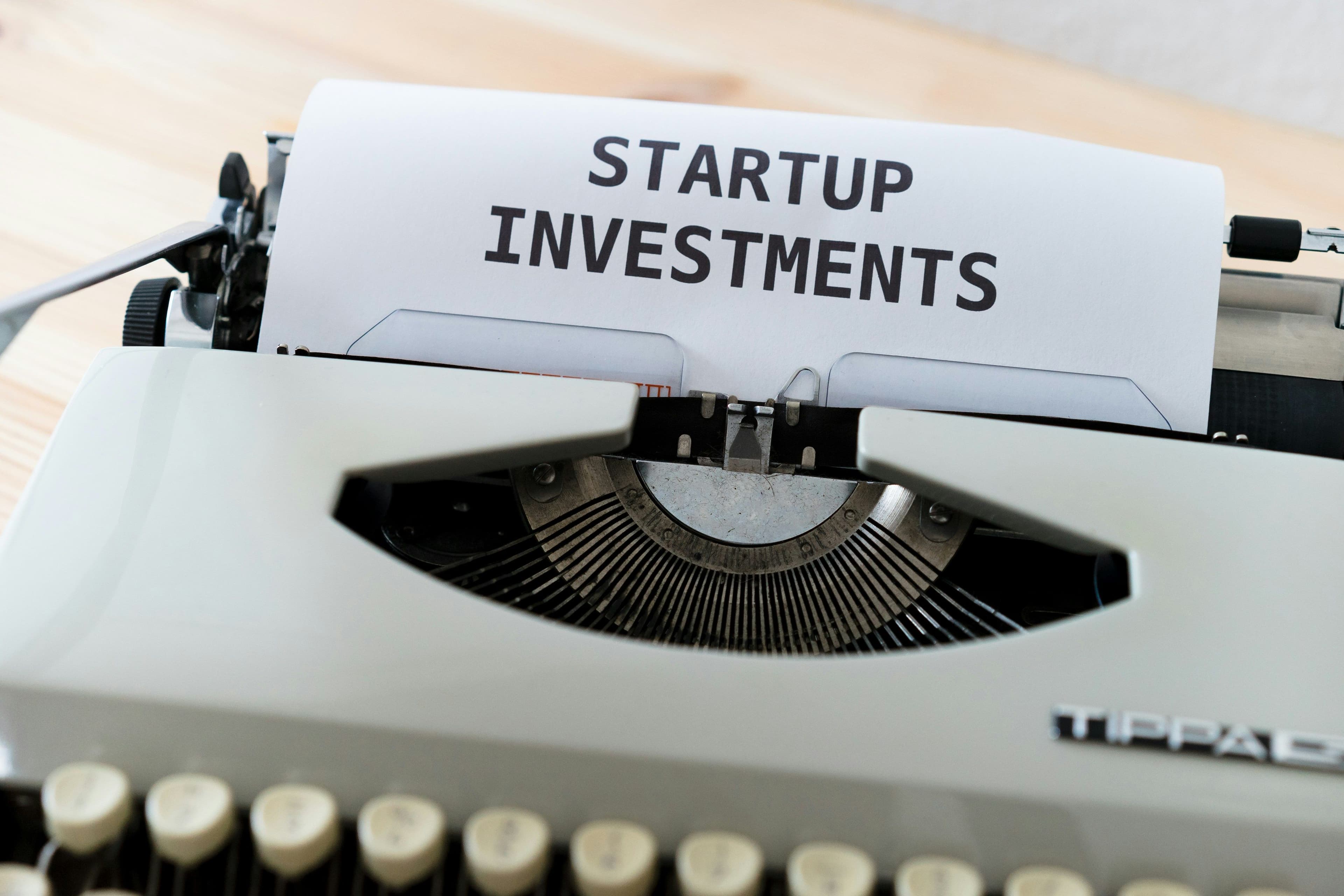
image: Markus Winkler/Unsplash
Startup funding comes in many forms: personal savings, angel investors, venture capital, grants, loans, and more. Each type of funding carries its own rules, expectations, risks, and level of control. Understanding these differences is one of the most important skills a founder can develop, especially in fast-growing tech markets.
This article explains the major types of startup funding, what each one involves, and how African and Nigerian startups have used them in real life. While many startups combine multiple funding options over time, knowing how each funding type works on its own helps founders make smarter decisions from day one.
1. Bootstrapping
Before looking at investor-backed options, it’s important to start with the most basic and common funding type: building with your own resources. This section discusses that.
What it isBootstrapping means building your startup using your own money or revenue from customers. No investors. No outside pressure.
When it makes sense
- You want full control
- You’re testing an idea
- You can grow steadily without burning cash
Pros
- You own everything
- No investor stress
- Strong focus on real customers
Cons
- Growth is slower
- Personal financial risk
- Hard to compete with heavily funded rivals
African & Nigerian examples
- Paystack (early days) – Started lean before raising external funding
- Hotel.ng – Bootstrapped heavily while validating demand
- Notion (global example) – Bootstrapped for years before raising VC
Many strong African startups start this way to prove the business works before raising money.
2. Friends and family funding
What it isMoney raised from people who already trust you—family, close friends, mentors.
When it makes sense
- Early stage
- Small funding needs
- You need speed
Pros
- Fast access
- Flexible terms
- Often founder-friendly
Cons
- This can cause potential damage to relationships over time.
- Often poorly documented
African & Nigerian examplesMost early-stage Nigerian startups quietly use this stage, even if they don’t announce it publicly. It’s common before angel or accelerator funding.
Founder tipAlways document it. Treat it like a real investment, because it sure is one.
3. Angel investors
What it isIndividuals investing their own money, usually early. It often comes with advice and networking opportunities for the founders.
When it makes sense
- You have a product
- Some traction
- Need capital plus guidance
Pros
- Experience and mentorship
- Easier terms than VCs
- Local market knowledge
Cons
- Giving up equity
- Quality depends on the angel/individual and their experience in the industry.
African & Nigerian examples
- Flutterwave – Early angel backing before major VC rounds
- PiggyVest – Angels played a role early on
- PayDay (Rwanda/Nigeria) – Early angel support
Angel investors are very active in Nigeria, Kenya, Egypt, and South Africa.
4. Venture Capital (VC)
What it isProfessional firms investing large sums in exchange for equity, aiming for fast growth.
When it makes sense
- Large market
- Aggressive growth plan
- Scalable product
Pros
- Big funding rounds
- Hiring and expansion power
- Global credibility
Cons
- Strong pressure to grow fast
- Loss of control over time
- Not every startup fits VC expectations
African & Nigerian examples
- Flutterwave – Backed by Tiger Global, Avenir Growth
- Andela – Raised multiple VC rounds
- Moniepoint – VC-backed growth
- Wave (Senegal) – Major VC funding
VC is powerful, but it forces you into a high-growth path.
5. Accelerators and incubators
What they arePrograms that provide small funding, mentorship, and access to investors.
When it makes sense
- First-time founders
- Early product stage
- You want structure and exposure
Pros
- Learning and mentorship
- Demo days and investor access
- Strong founder network
Cons
- Equity for small capital
- Very competitive
African & Nigerian examples
- Paystack – Y Combinator
- 54gene – Y Combinator
- Kuda – Multiple accelerator-style programs
- Techstars-backed African startups
- Chowdeck – Y Combinator
Many top African startups passed through accelerators early on.
6. Crowdfunding
What it isRaising money from many people online, either as pre-orders or equity.
When it makes sense
- Consumer products
- Strong community
- Clear value story
Pros
- Market validation
- Built-in marketing
- No single investor controls
Cons
- Requires strong promotion
- Platform and legal limits
African & Nigerian examplesCrowdfunding is still limited in Nigeria due to rules, but it’s growing through:
- Diaspora-backed campaigns
- Equity crowdfunding platforms in South Africa and Kenya
7. Grants and government funding
What it isNon-repayable funding from governments or institutions.
When it makes sense
- Research-heavy products
- Social impact
- Health, energy, or agriculture
Pros
- No equity loss
- Low financial risk
Cons
- Slow process
- Paperwork-heavy
- Limited flexibility
African & Nigerian examples
- Tony Elumelu Foundation Grant recipients
- African Development Bank-backed startups
- Government innovation grants in Nigeria, Kenya, and Egypt
Many African startups quietly rely on grants at early stages.
8. Corporate and strategic investors
What it isFunding from established companies aligned with your market.
When it makes sense
- B2B startups
- Fintech, telecom, logistics
- Need distribution access
Pros
- Industry reach
- Partnerships
- Long-term support
Cons
- Strategic limits
- Slower decision-making due to partner’s beureacracy.
African & Nigerian examples
- MTN-backed fintech and API startups
- Visa and Mastercard investments in African fintechs
This funding often comes later, once the product is proven.
9. Debt financing and revenue-based funding
What it isLoans or capital repaid from revenue instead of equity.
When it makes sense
- Predictable revenue
- Clear cash flow
Pros
- No equity dilution
- Founder control remains
Cons
- Repayment pressure
- Risky for early startups
African & Nigerian examples
- Paystack Capital (now Stripe Capital)
- Float, Lidya, Carbon providing startup credit
This is becoming more common for African startups with steady income.
Final thoughts: there’s no one right path
Most successful startups combine funding types:
- Bootstrapping → Angel → VC
- Grants → Bootstrapping → Strategic investment
- Revenue → Debt → VC
Funding is a tool, not a badge of success. The best founders raise money only when it helps the business, not because others are doing it.
Our advice: Build first. Fund second. Grow wisely.
Share this article
Related Articles

9 Nigerian Startups That Gained Funding in 2025
The top Nigerian startups that got millions of dollars in funding in 2025

Joseph Chisom
2 months ago
Just In: LemFi Secures Australia’s Financial Approval, Solidifying its Presence and Trust
A major win for global payments, and a big deal for migrants, students, and businesses

Wisdom Usa
3 weeks ago

7 Nigerian Startups Backed by Y Combinator Proving Global Tech Can Be Built from Africa
Seven of the sixty YC backed Nigerian startups, as highlighted by YC.
Wisdom Usa
2 months ago